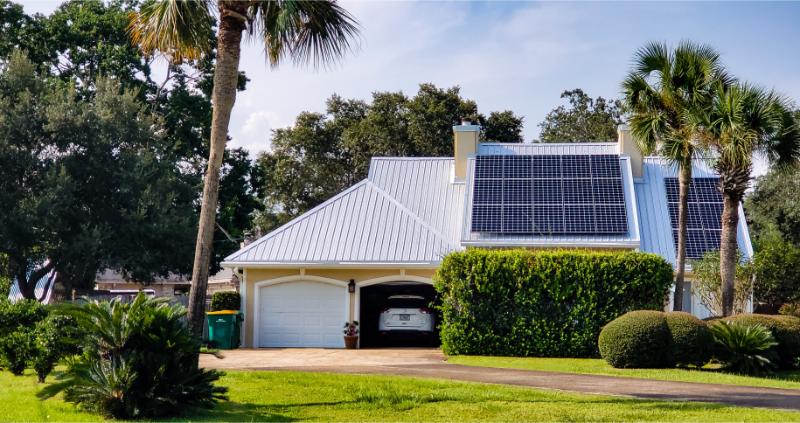
As electricity costs and environmental concerns influence household decisions, more homeowners are exploring ways to improve energy efficiency. Solar power offers an opportunity to generate electricity directly from sunlight, potentially reducing reliance on grid electricity and supporting long-term energy goals. Working with experienced solar installers can help homeowners understand their options, evaluate their property’s potential, and choose a system suited to their energy needs.
However, installing solar panels is only one part of creating an energy-efficient home. The best results often come from combining renewable electricity generation with efficient appliances, improved insulation, smart energy management, and thoughtful everyday habits.
Understanding how these elements work together can help homeowners make practical improvements while managing installation costs and electricity consumption.
1. Understanding How Solar Panels Generate Electricity
Solar panels use photovoltaic cells to convert sunlight into electricity. When sunlight reaches these cells, it generates direct current electricity, which an inverter converts into alternating current for household use.
The electricity produced can power lighting, appliances, heating and cooling equipment, and other electrical devices. If the system generates more electricity than the home needs at a particular time, excess power may be exported to the grid, depending on the applicable utility arrangements.
Solar production varies throughout the day and across seasons. Roof orientation, shading, weather conditions, panel efficiency, and system design all influence how much electricity a property can generate.
A professional assessment can help estimate expected production and determine whether the available roof space is suitable for a solar installation.